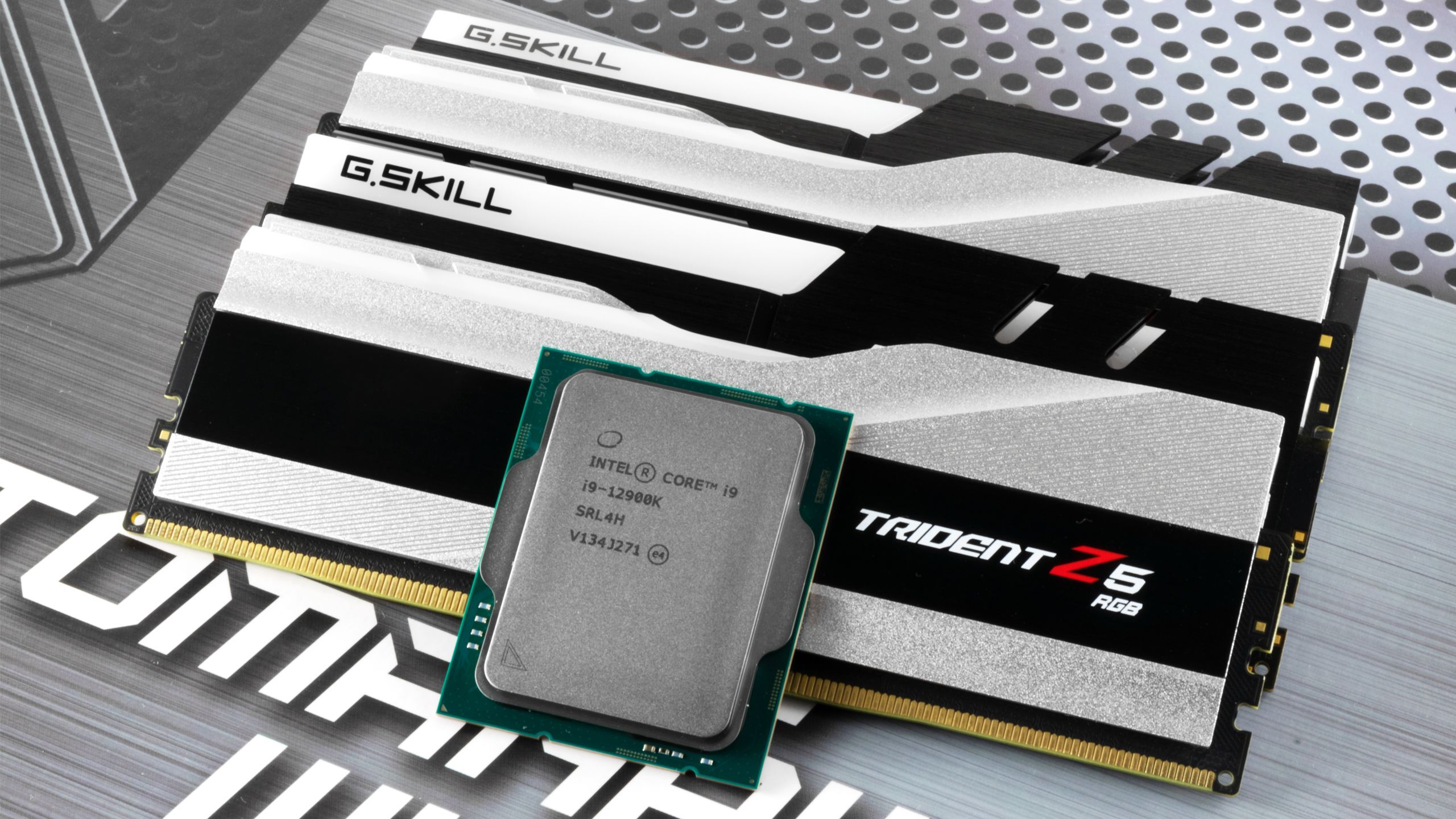
Eh. LPCAMM seems more useful overall as a product. Faster DDR at this point in time has diminishing returns.
It’ll be interesting to see how this plays out though, because there are a few different paths to solve this type of problem with DDR5. Personally, I’d love for much lower power, but a wider bus, which is where I thought things were heading.
faster ram generally has dimishing returns on sustem use, however it does matter for gpu compute reasons on igpu (e. g gaming, and ML/AI would make use of the increased memory bandwith).
its not easily to simply just push a wider bus because memory bus size more or less affects design complexity, thus cost. its cheaper to push memory clocks than design a die with a wider bus.
Computational-Fluid-Dynamics simulations are RAM-limited, iirc.
I’m presuming many AI models are, too, since some of them require stupendous amounts of RAM, which no non-server machine would have.
“diminishing returns” is what Intel’s “beloved” Celeron garbage was pushing.
When I ran Memtest86+ ( or the other version, don’t remember ), & saw how insanely slow RAM was, compared with L2 or L3 cache, & then discovered how incredible the machine-upgrade going from SATA to NVMe was…
Get the fastest NVMe & RAM you can: it puts your CPU where it should have been, all along, and that difference between a “normal” build vs an effective build is the misframing the whole industry has been establishing, for decades.
_ /\ _