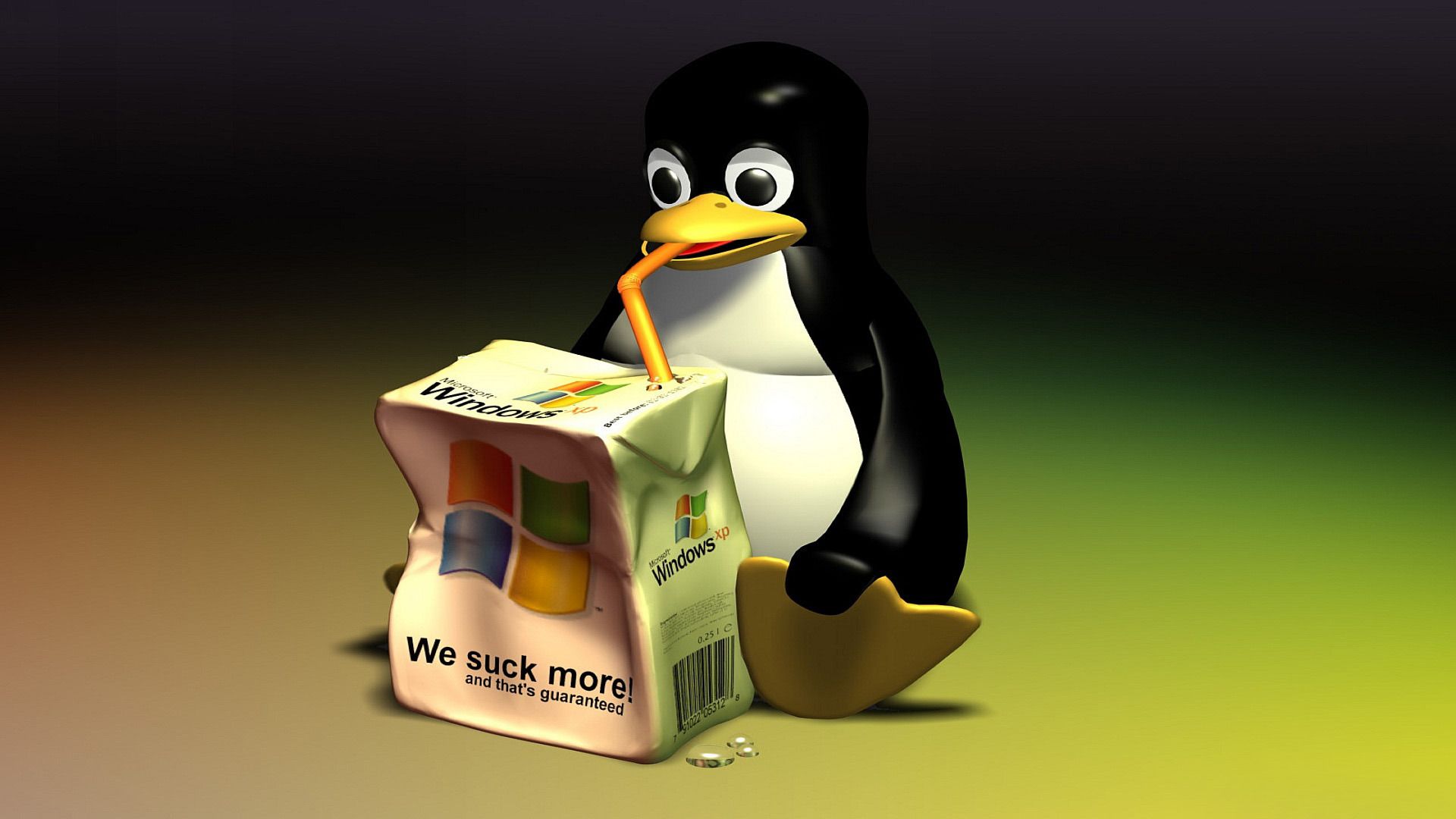
When it comes to the current final frontier, Linux phones, what brands/models would be the best option? Or are you all really recommending iPhones?
So yeah we’ll do a decentralized Linux phone of sorts, if Google is going full 3rd Reich with Android we’ll move to a Linux based OS phone.
Simple as that.
I just hope that the Graphene devs continue to support the last supported versions of Android that allow installing apks.
I couldn’t be happier with my P7 that has been running Graphene since day one. Zero Google. Zero problems
This is the risk of “trusted computing” architectures. Who is governing the “trusted” part of that.
These cryptographic signatures are not as much of a death knell for Android as some would have you believe. The trick is to get a common code signing cert into your device, that is then used to sign any third party APK you want to run. You can avoid the Google tax this way. I assume that’s how most sideloading sites and apps are going to handle this.
The question is, how do you add that certificate? Is it easy and straight forward (with plenty of scary warnings), as a user? Or is it going to be a developer options deal? Or will I need root to add the cert?
I’m not sure what that answer is right now.
I just want to finish this post with a few words about trusted computing models. Plainly: Apple has been doing this for years … That’s why you download basically everything from an app store with Apple. Whether on your Mac OS device, your iPhone, iPad or whatever iDevice… Whether the devs need to sign it, or the app gets signed when it lands on the store, there’s a signature to ensure that the app hasn’t been tampered with and that Apple has given the app it’s security blessings, that it is safe to run. Microsoft and Google have both been climbing towards the same forever. Apple embedded their root of trust in their own proprietary TPM which has been included with every Mac, and iDevice for a long ass time. Google also has a TPM, the Titan security module, I believe that was introduced around pixel 3? Or 4?.. Microsoft made huge waves requiring it for Windows 11, and we all know what that discussion looks like. Apple requires a TPM (which they supply, so nobody noticed), Google has been adding a TPM and TPM functionality to their phones for years, and now Windows is the same. None of this is a bad thing. Trusted computing can eliminate much of the need for antivirus software, among other things. I digress. We’ve been going this way for a long time. Google is just more or less, doing what Apple has already done, and what Microsoft will very likely do very soon, making it a requirement. Battlefield 6 I think, was one of the first to require trusted computing on Windows and it will, for damned sure, not be the last that does. The only real hurdle here is managing what is trusted. So far, each vendor has kept the keys to their own kingdoms, but this is contrary to computing concepts. Like the Internet, it should be able to be done without needing trust from a specific provider. That’s how SSL works, that’s how the Internet works, that’s how trusted computing should work. The only thing that should be secret is the private signing keys. What Google, Apple, and Microsoft should be doing, is issuing intermediary keys that can sign code signing certs. So trusted institutions that create apps, like… Idk, valve as an example, can create a signature key for steam and sign Steam with it, so the trust goes from MS root to intermediary key for valve, to steam code signing key, and suddenly you have an app that’s trusted. Valve can then use their key to sign software on their store that may not have a coffee signing key of it’s own. This is just one example based on Windows. And above all of this, the user should be able to import a trusted code signing cert, or an intermediary cert signing cert, to their service as trusted.
Anyways, thanks for coming to my Ted talk.
This defeats the entire purpose of me having android
Like I’m just going to switch to an iPhone now. Not because Apple is any better, but because I have more family with them.
They took away our SD cards, they took away our removable batteries, they took away our headphone jacks. Now they’re taking away side loading apps, and that’s it. I’m done. The death of android.
I find it very strange how many people in the comments here think the solution is to buy an iPhone. Maybe you are all just rich and can afford to spend $1000+ based on vibes, but considering the Android market still has a massive value advantage I’m not really sure what the point of switching is. This all feels very similar to how some Westerners decided Chinese tech and even the Chinese government were suddenly problem-free just because Americans elected Trump for a second time.
I know it’s not really ready for it yet, but I guess I’m gonna be looking into a Linux phone before I thought I would.
My main problem with linux phones is that many apps only exist only for android or ios.
Sure some apps are basically a website that you can acess by web browser but many apps cant be replaced able (banking, tickets, public transport, games)
Waydroid works really well to run Android apps on mobile Linux, even for games. Doesn’t help for banking apps though as they’ll usually lock you out due to not passing Google safety checks.
I never really understood the problem with banking apps, can’t people just use the website instead? At least with banks I’ve used, most daily tasks are possible to do online.
Their arguments are kind of lame. To install APKs from outside the store is already an involved process that generally makes it harder for the uninformed to sideload. Make sideloading a bit harder, but possible. My xiaomi makes me wait and read warnings before installing APKs, for example.
“Uugfhh, but the users don’t read the warnings!! They just click yes until it works!!”
And that’s my problem because??? For fucks sake
Side loading will still be possible but the apps themselves will need to be signed by the developer through Google, so Google ultimately still controls what can be installed. Maybe someone will crack it.
[Installing software] will still be possible but the apps themselves will need to be signed by the developer through Google, so Google ultimately still controls what can be installed. Maybe someone will crack it.
Fixed that for you :-)
If Google is going to lock down my device to the point where I can’t install apps without their permission, I might as well dump Android and go straight to Apple. I sacrificed my phone being good for the openness of the platform, but if Google loses that openness, why shouldn’t I go with Apple?
Openness isn’t just a nice to have. It is essential.
The difference between general purpose computing and gatekept walled garden computing is night and day.
Identifying the devs is not in the “need to know” for Google. Google sells or helps to sell a general purpose open device where it is on us to exploit that device however we will.
Now Google wants to switch to a walled garden, moderated development model.
If Google promises it won’t use those dev IDs to moderate development, their promise is only worth the wind it moves and the sound it makes.